How to Prepare Your Home for Air Conditioning Installation
Preparing your home for air conditioning installation is an important step in making sure the process goes smoothly and efficiently. Whether you are upgrading your system or installing air conditioning for the first time, proper preparation ensures that the equipment performs at its best and lasts for years. Many homeowners overlook critical steps before installation, only to face delays, unexpected costs, or performance issues later. This guide provides a clear, organized walkthrough of everything your home needs so you can confidently welcome your new cooling system.
Evaluate Your Existing HVAC Setup
Before moving forward with air conditioning installation, take time to evaluate the state of any existing HVAC components. Even if your current system is outdated or nonfunctional, the infrastructure around it matters. Begin by checking the condition of old wiring, ductwork, vents, and mounts. These elements must be compatible with your new system or updated to meet current standards. A simple visual inspection can help you identify corrosion, leaks, damage, or missing insulation that may affect how well your new unit performs.
Understanding your existing layout also helps you avoid challenges during installation. Older homes, in particular, may have narrow ductwork, outdated electrical panels, or previous modifications that no longer meet modern needs. According to the Department of Energy, out of the 88% of homes with AC, about 66% have central air conditioning systems. This means many houses were built around older cooling methods that may require upgrades before installation. Identifying potential issues early reduces delays and ensures your new system is set up for long-term success.
Assessing infrastructure is also a good opportunity to consider energy efficiency. Outdated ductwork or worn insulation can reduce system performance and increase utility costs. Addressing these inefficiencies now improves airflow, boosts comfort, and supports better performance once your new AC system is installed. This proactive step ensures your home is ready to support a modern cooling system designed for high efficiency and durability.
Choose the Right System for Your Home
Once you have evaluated your existing setup, the next area of focus is selecting the right unit for your home. Not every air conditioning system works well in every environment. Homes differ in square footage, insulation quality, ceiling height, sun exposure, and layout. These factors significantly influence which system will deliver the best performance. Getting the right fit helps you achieve reliable comfort without overspending on equipment or energy usage.
Sizing is especially important. A system that is too small will struggle to cool your home consistently, running almost nonstop and raising your energy bill. An oversized unit may cool too quickly, causing rapid cycling that wears down internal components. For most households, a professional load calculation provides the most accurate recommendation, ensuring the unit you choose matches your home’s cooling demands. This careful planning makes air conditioning installation far more successful.
Prepare Indoor and Outdoor Installation Areas
To streamline your air conditioning installation, make sure both the indoor and outdoor areas are properly prepared. Indoors, clear the pathways where technicians will work and where equipment will be installed. Move furniture, décor, appliances, or breakables away from the workspace. This ensures safe access for installers and protects your belongings. A clean, unobstructed environment prevents delays and allows technicians to complete tasks more efficiently.
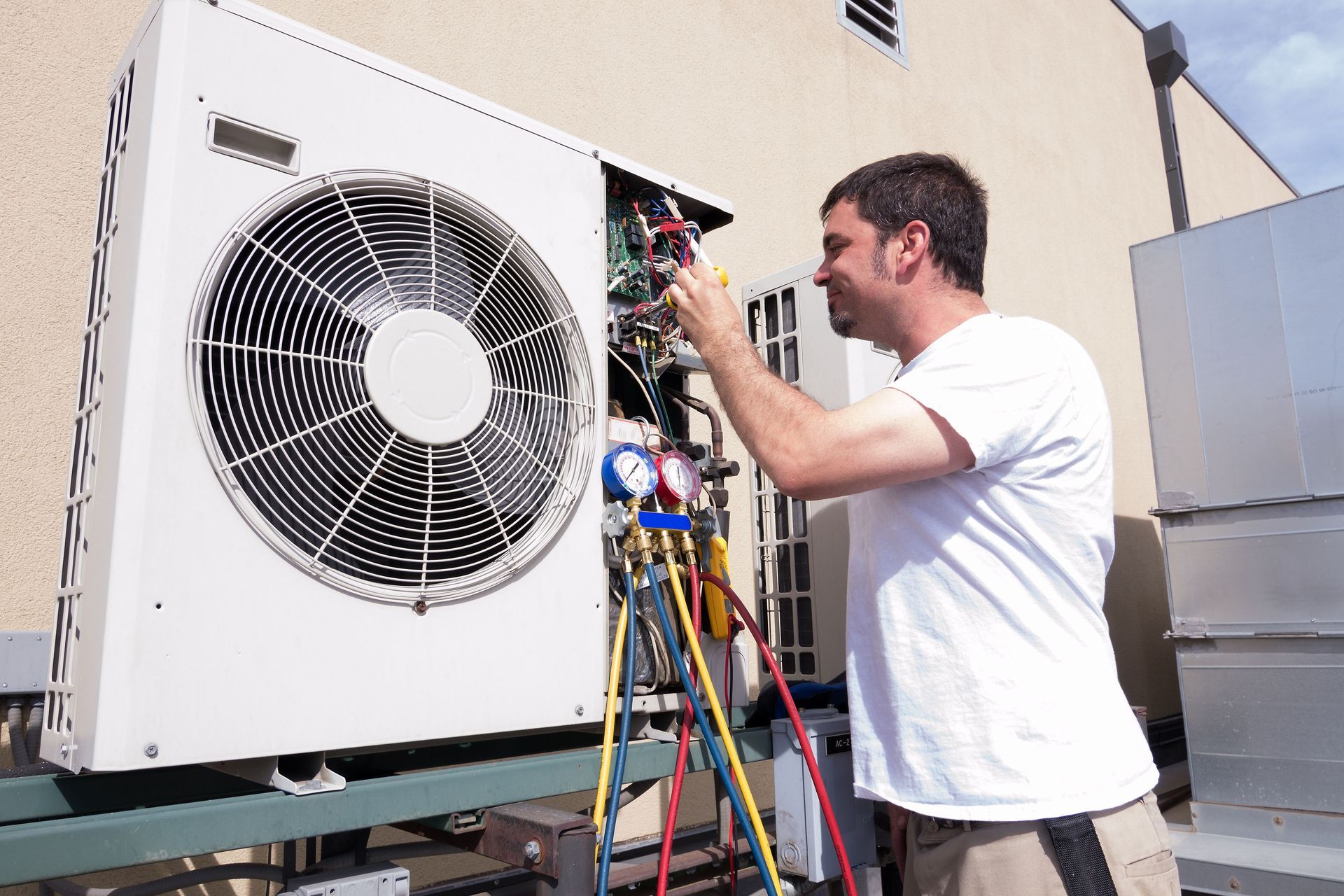
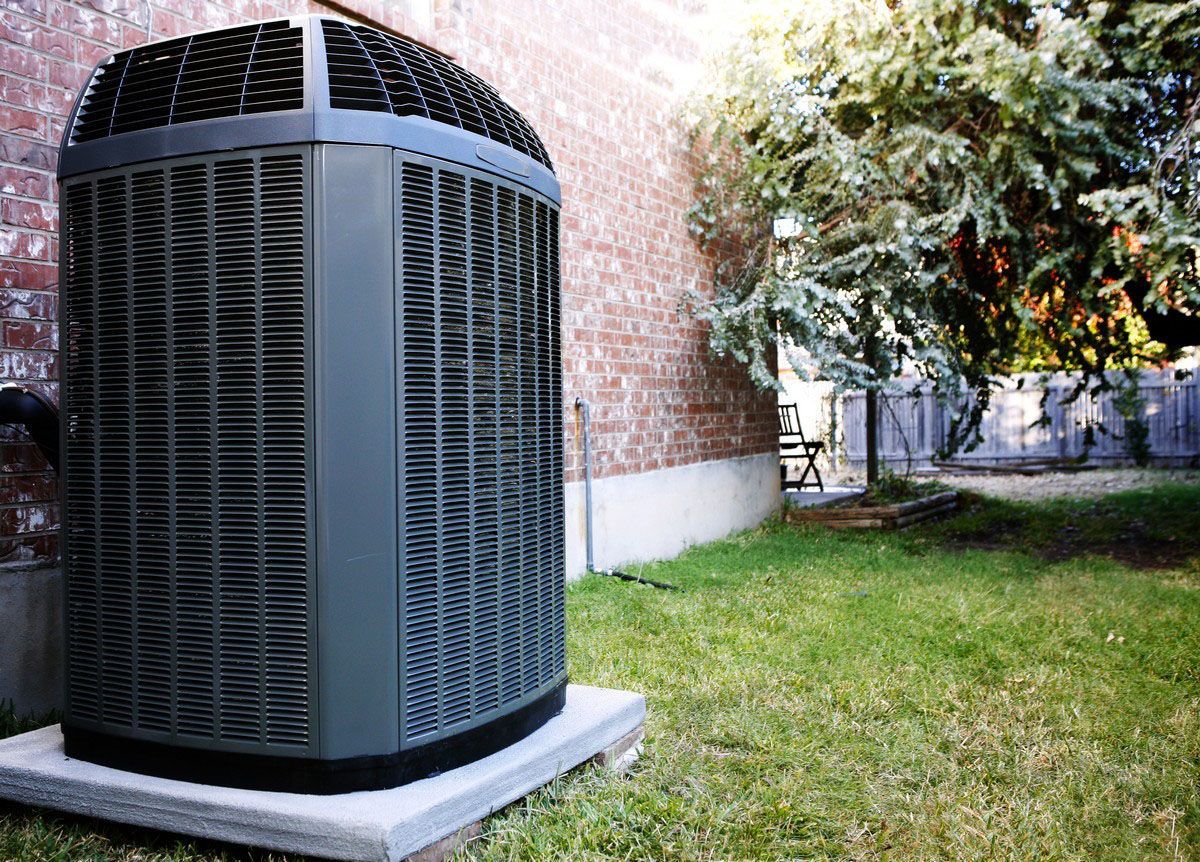
Outdoors, examine the area where the condenser will sit. It must be accessible, level, and free of debris. Remove sticks, leaves, rocks, or anything that might interfere with airflow around the unit. Trim nearby shrubs or vegetation to create proper clearance on all sides. Airflow is crucial for unit performance and longevity, and crowding the condenser can cause strain over time. Preparing the ground with a stable surface—such as a concrete pad—helps support the unit securely.
Across both areas, think ahead about any structural needs. Some installations require wall brackets, reinforcement, or small modifications to support the system properly. Ensuring pathways are wide enough for equipment transport and that no obstacles block doorways or hallways further contribute to a smooth installation day. A well-prepared space helps technicians work efficiently and ensures your system is positioned safely and correctly.
Confirm Electrical and Structural Readiness
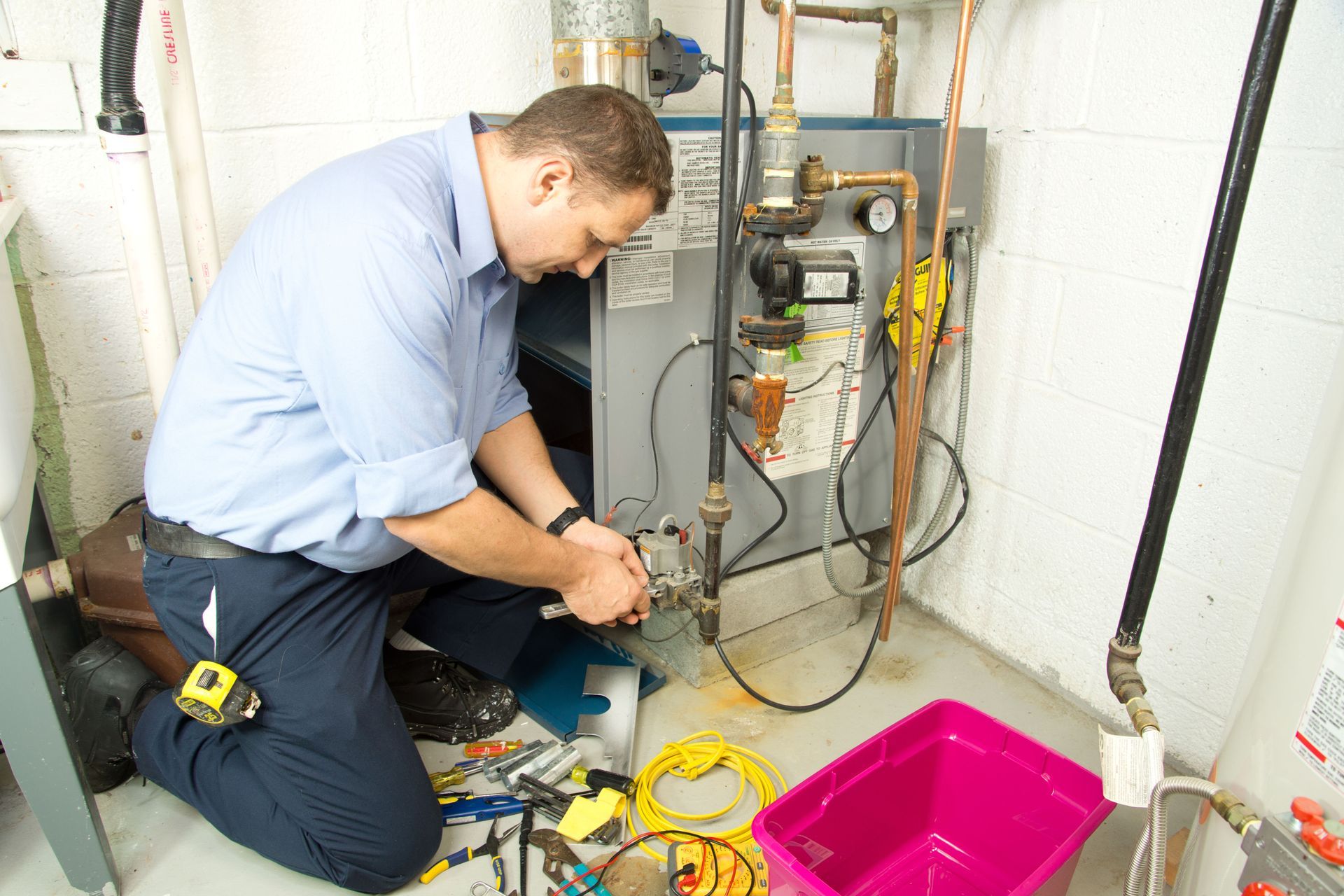
A critical area many homeowners overlook before air conditioning installation is electrical compatibility. Air conditioning systems require proper voltage, dedicated circuits, and sufficient panel capacity to operate safely. If your home’s electrical panel is outdated or already near capacity, an upgrade may be needed. Technicians cannot install your AC unit safely without confirming the system meets electrical requirements. Addressing this before installation day prevents complications, delays, or safety hazards.
Structural readiness is equally important. Some installations require reinforcing walls, floors, or mounting locations. This is especially true when upgrading from smaller window units or older systems to modern central air components, which may weigh more or require specific support. Ensuring the structure can bear the load prevents damage and guarantees that equipment remains secure long term. Preparing your home for these needs helps protect your investment and enhances system lifespan.
Improve Ductwork and Airflow Efficiency
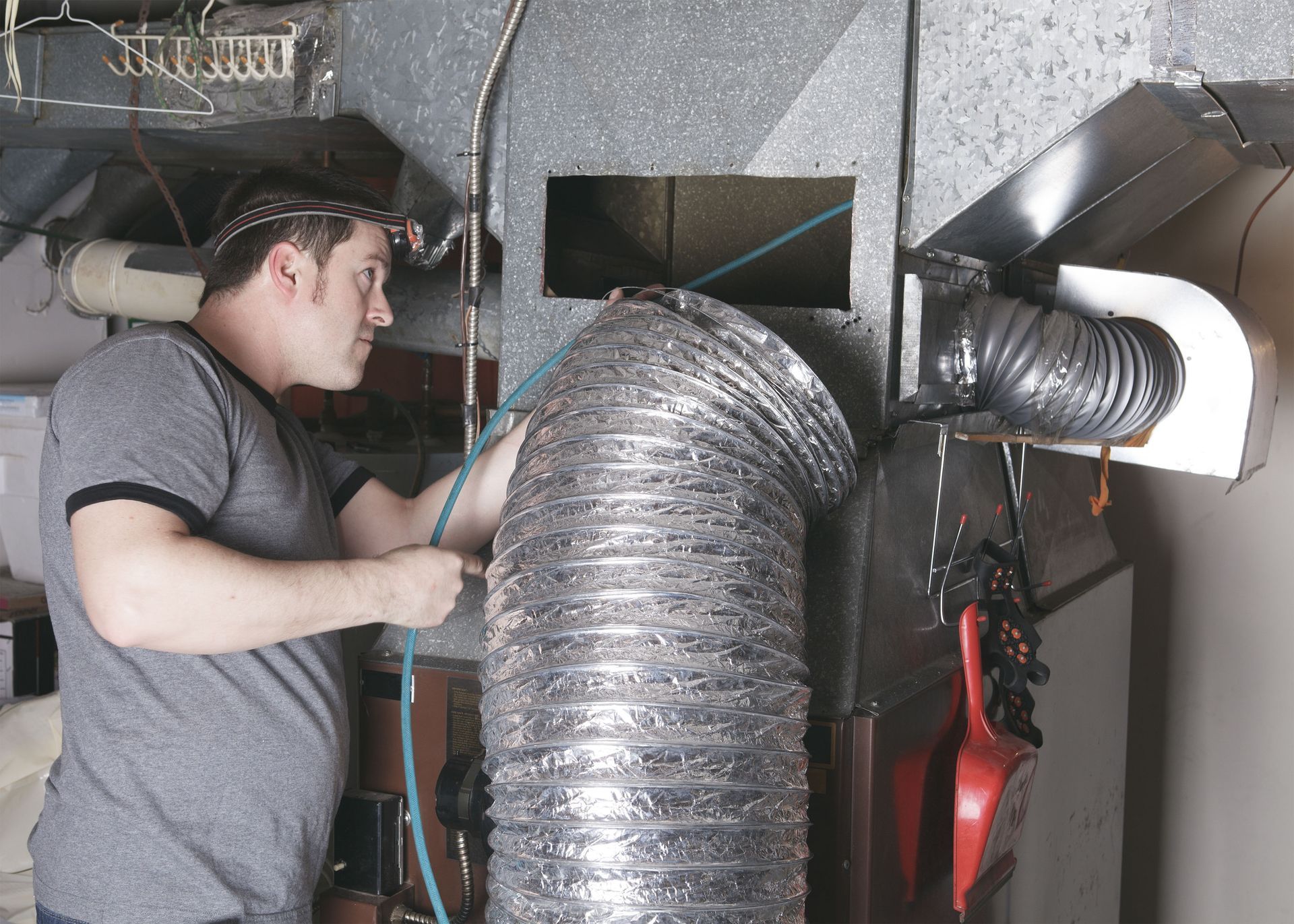
Even the best air conditioning system cannot perform well without proper airflow. That’s why improving ductwork is a vital area of preparation. Over time, ductwork can develop gaps, loose joints, or blockages that limit airflow and reduce cooling efficiency. Before air conditioning installation, have your ducts inspected for leaks, obstructions, or buildup of dust and debris. Eliminating these issues ensures your new system can circulate air evenly throughout the home.
If your home lacks ductwork or has ducts that are too small or poorly laid out, technicians may recommend upgrades. Modern systems often require updated duct design to meet airflow standards. While upgrading ductwork may add to the overall project cost, it dramatically improves performance, energy efficiency, and indoor comfort. Clean, well-sealed ducts can also extend the lifespan of your new AC system by reducing strain and improving consistency.
Additionally, consider improving insulation in attics, crawl spaces, or other areas surrounding ductwork. Proper insulation helps maintain cool air temperatures along the ducts, reducing energy loss. These improvements support lower monthly energy bills and greater long-term system performance. When airflow is optimized, your new air conditioner can deliver the comfort and efficiency it was designed for.
Plan for Installation Day and Temporary Cooling
As installation day approaches, prepare your home and household for the transition period. Depending on the scope of the project, your home may be without cooling for several hours or even a full day. Planning ahead ensures minimal discomfort during this time. Set up temporary cooling methods such as portable fans or standalone room air conditioners. Even simple adjustments—like closing blinds to block sun exposure—can help maintain comfort.
Finally, be prepared to walk through the system with the technician at the end of installation. They will explain thermostat settings, maintenance needs, filter changes, and basic troubleshooting steps. Understanding your new system helps you use it efficiently from day one and ensures you get the most from your air conditioning installation.
Preparing your home for air conditioning installation ensures a smooth process, better performance, and a long-lasting cooling system. By evaluating your existing setup, choosing the right unit, preparing the installation areas, confirming electrical and structural readiness, improving ductwork, and planning for installation day, you create the ideal conditions for a successful upgrade. When you’re ready to move forward with a seamless, reliable installation experience, trust the experts at Navarro's Heating & Air Conditioning Inc.





Share On: